Beyond the Orange Icon: Exploring the Best Apps Like DoorDash for Food Delivery
Tired of the Same Old? Why I'm Exploring Apps Like DoorDash
You know, DoorDash has really become a household name for food delivery, hasn't it? It's often the first app we think of when hunger strikes and cooking isn't on the menu. For me, personally, I've used it countless times, and for good reason—it's convenient, and they've got a massive selection of restaurants. But let's be real, sometimes you just want to explore other options. Maybe you're tired of those ever-increasing service fees, or perhaps your favorite local spot isn't on DoorDash, or you've just heard about a new app with better deals. I often find myself wondering, "What else is out there?"
That's what we're diving into today. I'm going to walk you through the landscape of food delivery, looking at the main competitors, some niche players, and even how local options can shake things up. It's about finding what truly works for *you* and your wallet, whether that means more restaurant choices, lower costs, or a smoother delivery experience.
Understanding Why We Seek Alternatives
Before we jump into the apps themselves, let's chat for a moment about why someone, like me or you, might start looking beyond DoorDash in the first place. There are a few key reasons I've identified, and I bet some of these resonate with you too.
The Ever-Growing Cost of Convenience
- Delivery Fees & Service Charges: These can really add up, can't they? Sometimes, I look at my cart total and wonder if I'm accidentally buying a second meal for the delivery driver. Many apps have dynamic pricing based on distance or demand, and those little charges can feel a bit sneaky.
- Subscription Models: While options like DashPass offer free delivery, they still come with a monthly fee. I'm always weighing if that upfront cost truly saves me money in the long run based on how often I order.
- Tipping Culture: Of course, we all want to support our drivers, and tipping is an essential part of that. But it's another cost to factor in, and sometimes it just makes you wish for a simpler, all-inclusive price.
Restaurant Selection & Availability
Even with DoorDash's vast network, there are still fantastic local eateries that simply aren't partnered with them. I've often discovered a new favorite restaurant only to find it exclusively on another platform or, better yet, offering its own direct delivery. Plus, sometimes the selection in my specific area feels a bit stale, and I crave something new.
Delivery Performance & Customer Service
We've all been there: a super late order, a missing item, or a cold meal. While these issues can happen with any service, consistent problems can definitely push you to try another app. Good customer support that actually resolves issues quickly is a huge plus in my book.
Supporting Different Business Models
Some people, and I count myself among them, are increasingly conscious of how these large platforms treat their restaurant partners and drivers. Exploring alternatives, especially local ones, can sometimes mean supporting a business model you feel better about.
The Top Contenders: Apps That Directly Rival DoorDash
Alright, let's get into the heavy hitters—the apps you've probably heard of, and maybe even used, that are giving DoorDash a run for its money.
Uber Eats: A Global Giant with a Familiar Interface
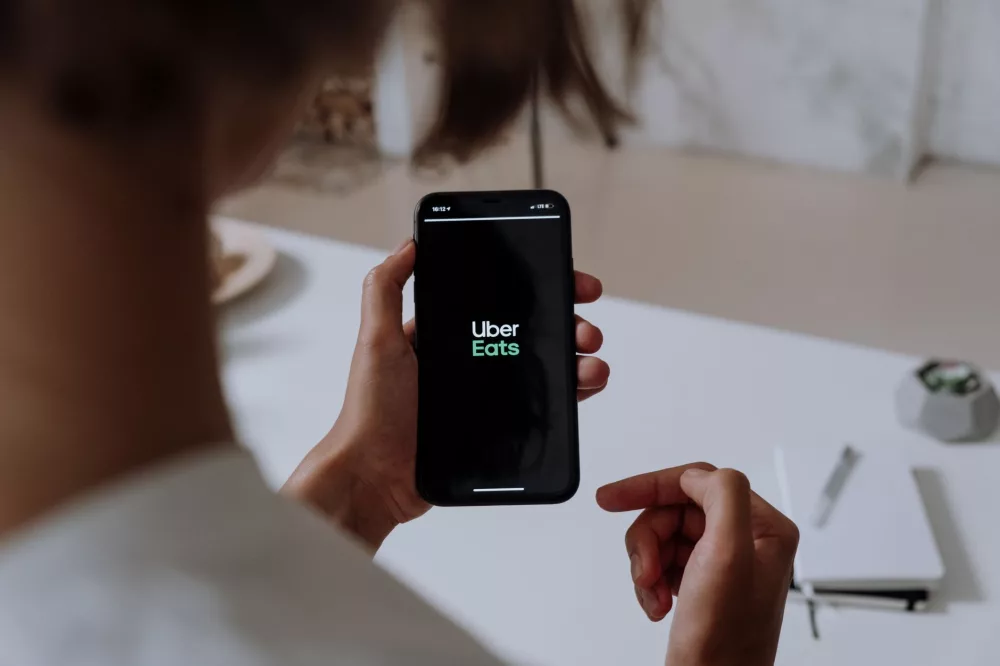
Uber Eats is probably the most direct competitor to DoorDash, and I use it almost as frequently. It's available in tons of cities worldwide, and its integration with the Uber rides app makes it super convenient if you're already an Uber user. They tend to have a very similar restaurant selection to DoorDash in many areas, but I've found some exclusive spots on Uber Eats too.
- What I like: Their app is really user-friendly, and the estimated delivery times are usually pretty accurate. They often have solid promotions, and their Uber One subscription can be a great value if you use both services.
- Things to consider: Like DoorDash, the fees can pile up, and I've noticed their surge pricing during busy times can make an order unexpectedly expensive.
Grubhub (and Seamless): The OGs of Online Ordering
Grubhub, along with its sister app Seamless (which is essentially the same service under a different name, often strong in places like New York City), has been around for a long time. They were truly pioneers in the online food ordering space. In some older, more established markets, Grubhub actually has a much stronger presence and more exclusive restaurant partnerships.
- What I like: They often have fantastic local restaurant selections, especially in dense urban areas where they've built relationships over decades. I've found some hidden gems exclusively on Grubhub. They're also pretty good about loyalty programs with specific restaurants.
- Things to consider: Their app sometimes feels a little less polished than Uber Eats or DoorDash, in my opinion. Also, driver availability can sometimes be an issue in less populated areas compared to the larger networks.
Postmates: The Jack-of-All-Trades (Now Mostly Uber)
Before it was largely acquired by and integrated into Uber Eats, Postmates was known for delivering just about anything—not just food. While much of its food delivery operations have merged with Uber Eats, it's still worth mentioning. In some regions, you might still find a distinct Postmates experience, especially for non-food items.
- What I like: Historically, their flexibility was a huge draw. If you needed something from a store that didn't have its own delivery, Postmates was often the answer.
- Things to consider: For food delivery specifically, it's increasingly becoming synonymous with Uber Eats, so you might not find a unique restaurant selection anymore.
Caviar: For When You're Feeling Fancy
Acquired by DoorDash a few years back, Caviar positioned itself as the premium food delivery service, focusing on higher-end restaurants and a more curated experience. While it's under the DoorDash umbrella now, it often still operates with its own branding and sometimes a distinct selection of eateries.
- What I like: If I'm looking to order from a slightly more upscale restaurant for a special occasion, Caviar often has those exclusive partnerships. The presentation and overall experience can feel a bit more refined.
- Things to consider: You're usually paying a premium for that curated experience, so expect higher prices, and it's definitely not as widely available as the other major players.
Niche and Local Alternatives: Supporting Different Models
Beyond the big names, there's a whole world of other ways to get food delivered. These options sometimes offer unique benefits or cater to specific needs, which I think is pretty cool.
Restaurant-Specific Delivery: Going Straight to the Source
Honestly, for certain types of food, I almost always go directly to the restaurant's own website or app. Think about places like Papa John's, Domino's, McDonald's, or even some local pizzerias. Many large chains and even some independent restaurants have invested heavily in their own delivery infrastructure.
- What I like: You often get access to exclusive deals and loyalty points that aren't available on third-party apps. Plus, the restaurant gets a bigger slice of the pie, which is great for them. It feels more direct, you know?
- Things to consider: Your choice is limited to that single restaurant, obviously. And sometimes their delivery radius might be smaller.
Local and Independent Delivery Services
This is a category I'm really passionate about. In many cities, smaller, independent delivery services have popped up. These are often founded by locals, focus on supporting local restaurants, and sometimes offer better terms for their drivers and partners. I've seen a few of these in my area, and they're worth checking out!
- What I like: You're genuinely supporting local businesses, and you might discover unique restaurants not on the national platforms. The customer service can sometimes feel more personal.
- Things to consider: Their coverage area might be limited, and the number of restaurant choices will likely be smaller. They also might not have the same level of technology or marketing as the bigger apps.
Subscription Meal Kits: A Takeout Alternative
While not a direct
About Editorial Team
Senior columnist and culture critic specializing in architectural designs, emerging high-growth systems, and contemporary philosophies.
All Categories
Recent Posts